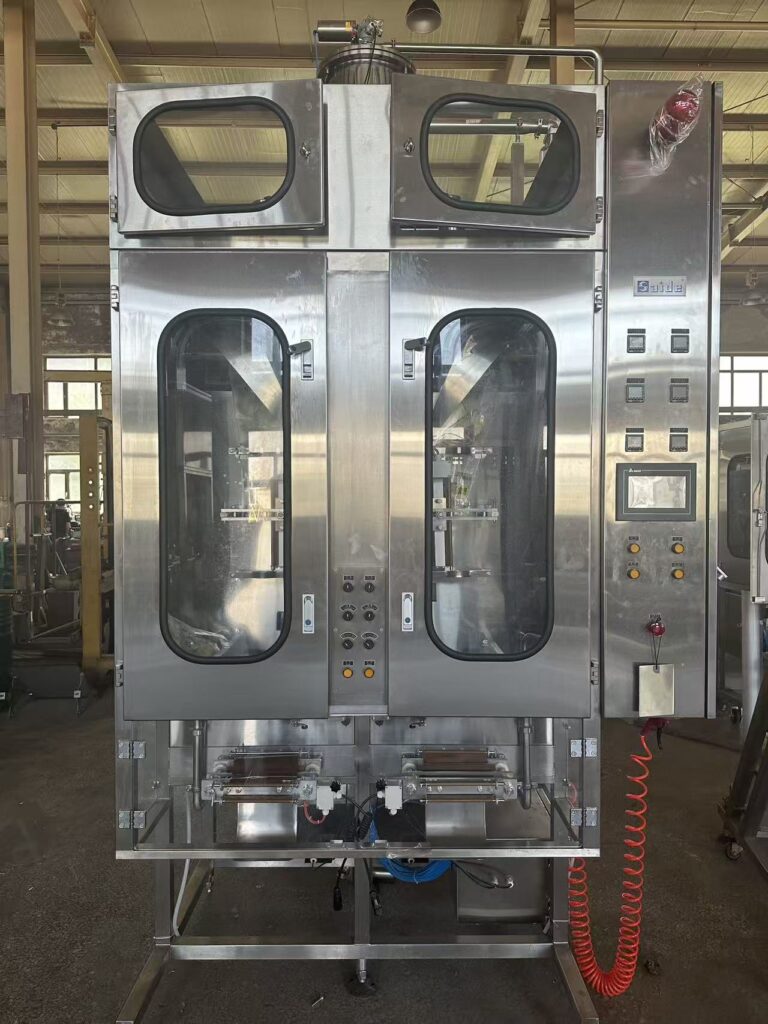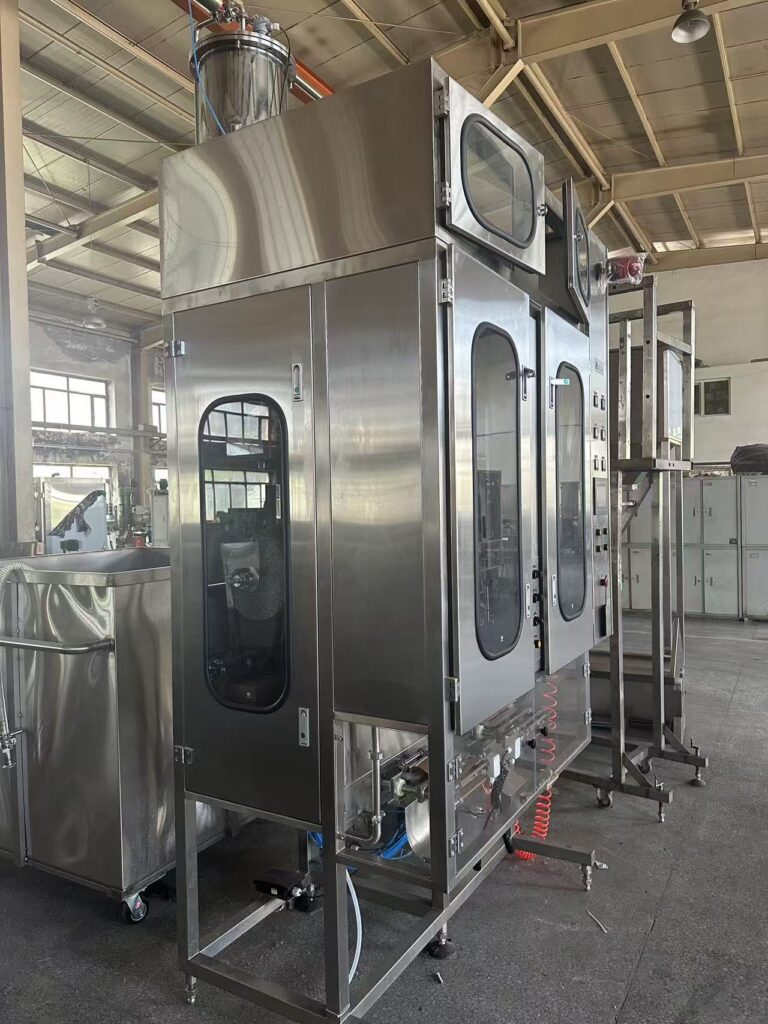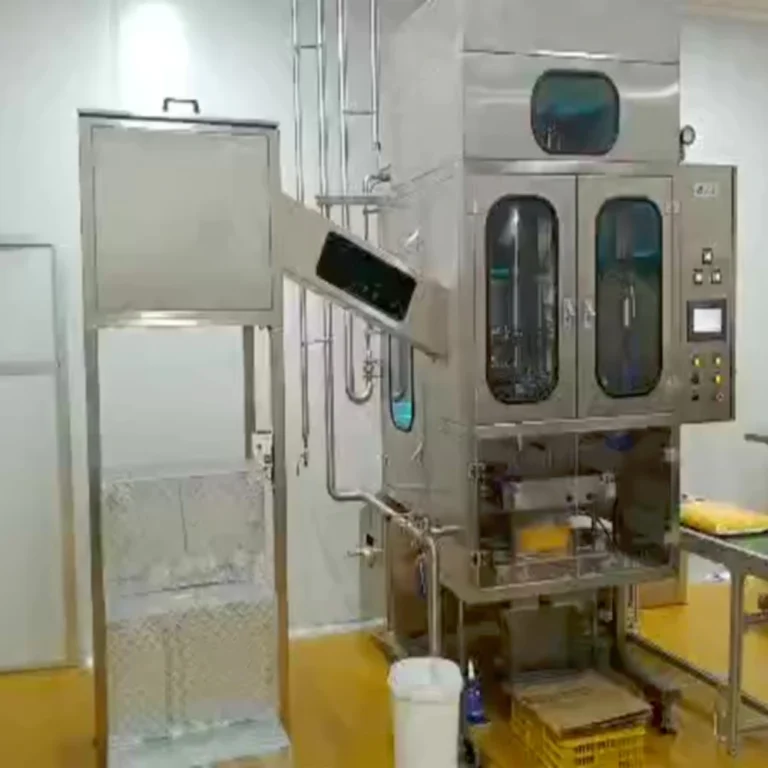
Discover liquid filling packaging machines types principles key components benefits applications and tips for choosing the right system
What is a Liquid Filling Packaging Machine?
Definition and Role in Modern Packaging
A liquid filling packaging machine is an automated or semi-automated system designed to dispense precise volumes of liquid products into various containers, such as bottles, cans, pouches, and tubes. In modern packaging, these machines are foundational to maintaining supply chain velocity. They eliminate manual pouring inefficiencies, minimize product giveaway, and guarantee that every package meets strict regulatory volume standards. For manufacturers looking to scale, these systems are the backbone of consistent, high-speed production.
How Liquid Filling Machines Work: The Core Principle
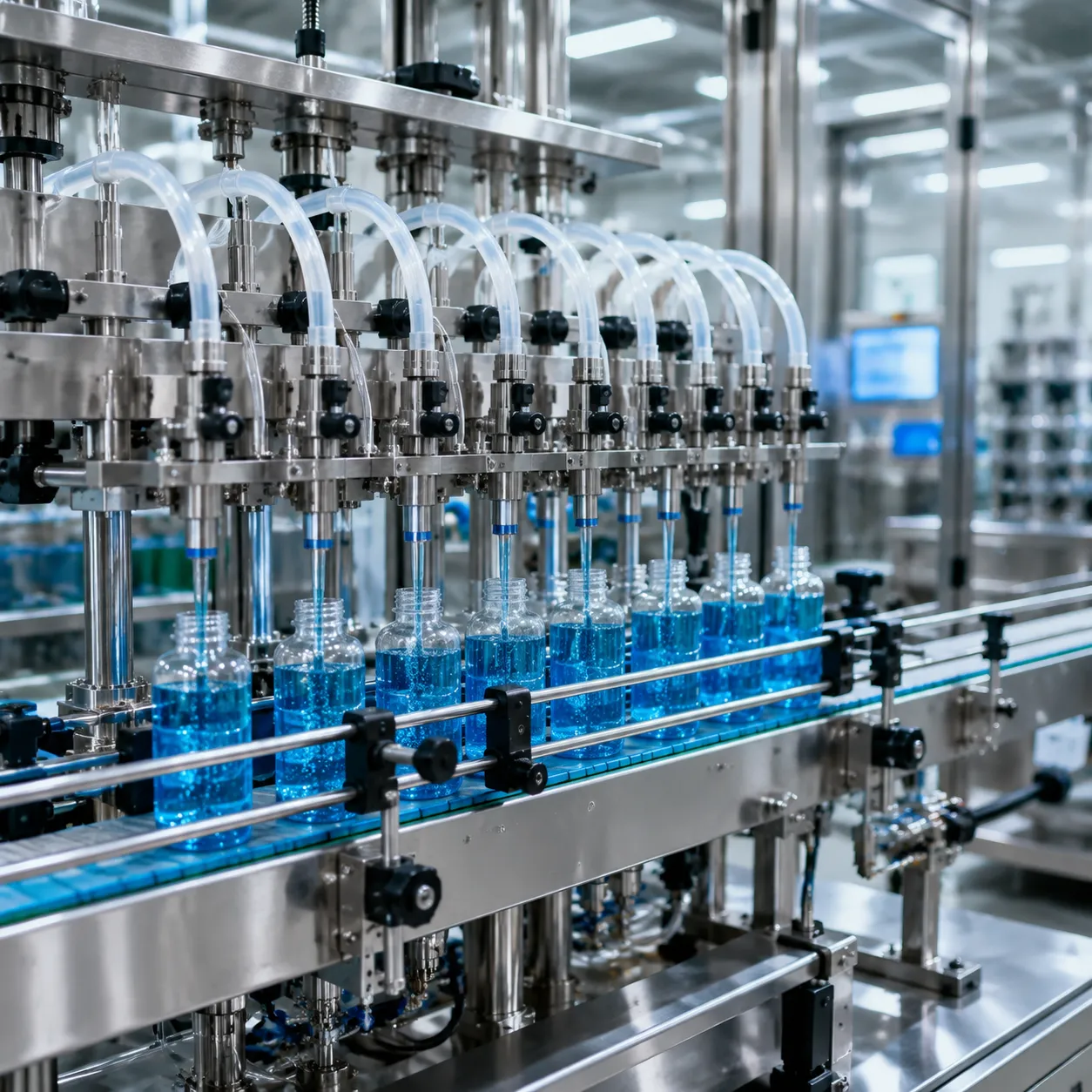
The core principle of a liquid filling packaging machine relies on controlled volumetric or gravimetric displacement. Containers are positioned beneath specialized filling nozzles via a conveyor system. The machine then draws the liquid from a bulk holding tank and forces it into the container using precise physical mechanisms—such as pressure differentials, piston strokes, or timed flow meters. Once the target volume or weight is reached, the nozzle cleanly cuts off the flow to prevent drips, and the container moves forward to the sealing and capping stage.
Key Mechanical Components and Systems
An industrial liquid packaging line relies on several synchronized mechanical systems to ensure uninterrupted operation:
- Product Reservoir/Hopper: Stores the bulk liquid material and regulates temperature or pressure if necessary.
- Filling Nozzles: Specially engineered tips designed to match the liquid’s viscosity, preventing aeration, foaming, or dripping.
- Dosing Pump/Piston Assembly: The mechanical heart that dictates the exact volume or weight of the liquid dispensed.
- Conveyor and Indexing System: Moves containers smoothly through the filling zone using starwheels, timing screws, or optical sensors for perfect alignment.
- PLC Control Panel: The digital brain that allows operators to calibrate fill speeds, volumes, and timing adjustments on the fly.
Key Features and Advantages of Automated Liquid Packaging
Switching to automated systems transforms how production lines handle liquids. Manual pouring simply cannot compete with the speed, consistency, and cleanliness of modern machinery. Implementing an automated liquid filling packaging machine optimizes the entire manufacturing floor, drastically reducing waste while scaling up daily output.
High-Precision Filling and Drop Control
Product giveaway and messy spills cut directly into profits. Advanced liquid fillers utilize pneumatic cutoff nozzles and drip-free designs to guarantee that every single container receives the exact volume required.
- Zero Drip Technology: Mechanical snubber valves snap shut instantly to prevent trailing drops.
- Volumetric Accuracy: Eliminates under-filling penalties and over-filling material waste.
- Real-Time Calibration: Digital controls allow operators to fine-tune filling volumes on the fly.
Production Efficiency and High Output Capacity
To meet heavy market demands, scaling up requires machinery built for continuous operation. Automated systems seamlessly integrate into existing bottling lines, taking care of everything from container feeding to final capping without bottlenecking the plant.
| Machine Configuration | Target Output Range | Best Suited For |
|---|---|---|
| Inline Multi-Nozzle | 20 – 80 BPM | Medium batches, frequent product changeovers |
| Rotary High-Speed | 100 – 300+ BPM | Mass production of juices, water, and beverages |
| Monoblock Systems | Varies by design | Compact spaces requiring filling and capping in one footprint |
Hygiene Standards and Easy Maintenance
Sanitation is non-negotiable when packaging food products, cosmetics, or pharmacy syrups. Modern automated fillers feature stainless steel construction and specialized cleaning engineering to keep downtime to an absolute minimum.
- CIP (Clean-in-Place) Compliance: Pipelines and valves are designed for automated flushing without tearing the entire machine apart.
- Sanitary 316L Stainless Steel: All contact parts resist corrosion from acidic juices or chemical formulations.
- Toolless Disassembly: Fast-clamp components let maintenance teams swap wear parts quickly, keeping production schedules right on track.
Classification by Automation and Machine Design
When selecting the right equipment for your facility, understanding how different liquid filling packaging machines are classified by automation and design is essential. Matching the machine’s structural footprint and automation level to your daily output goals ensures optimal efficiency and a faster return on investment.
Manual and Semi-Automatic Liquid Fillers
Manual and semi-automatic liquid fillers are the ideal starting point for startups, small-batch producers, or laboratory testing environments. These systems require an operator to manually place the container under the filling nozzle and activate the cycle via a foot pedal or push button.
- Best For: Small-scale operations, limited workspace, and frequent product changeovers.
- Key Benefit: Low initial capital investment and simple mechanical operation.
- Limitation: Production speed is entirely dependent on operator efficiency and stamina.
Fully Automatic Liquid Filling Production Lines
For scaling businesses and high-volume industrial operations, investing in fully automatic liquid filling packaging machines is a necessity. These systems handle the entire packaging process with minimal human intervention, automatically conveying containers, sensing their presence, filling them to precise levels, and moving them downstream.
- Seamless Integration: These units easily connect with automatic capping, labeling, and cartoning systems to create a complete bottling line.
- High Throughput: Designed for continuous operation, they drastically reduce labor costs while maximizing hourly output.
- Smart Controls: Equipped with advanced PLC touchscreens for quick adjustments to fill volumes and conveyor speeds.
For businesses looking to transition into high-efficiency automated packaging, deploying a robust automatic liquid packaging machine streamlines the workflow, minimizes product waste, and ensures consistent sealing across every batch.
Tabletop vs. Large-Scale Monoblock Systems
Machine design generally falls into two physical layouts: compact tabletop units or massive monoblock systems. Choosing between them depends on your available floor space and structural requirements.
| Machine Type | Footprint & Design | Ideal Applications | Production Capacity |
|---|---|---|---|
| Tabletop Systems | Compact, space-saving benchtop design; easy to move and reconfigure. | Small labs, craft producers, and boutique cosmetics. | Low to moderate |
| Large-Scale Monoblock Systems | Integrated single-frame chassis combining rinsing, filling, and capping functions. | Large-scale beverage, chemical, and pharmaceutical factories. | High to massive |
Large-scale monoblock systems eliminate the need for extensive interconnecting conveyors between separate machines. By syncing multiple packaging stages on a single star-wheel mechanism, these heavy-duty systems optimize factory floor space while maintaining the highest sanitary standards required for high-speed automated lines.
Types of Liquid Filling Mechanisms and Technologies
Choosing the right liquid filling packaging machines depends heavily on the product’s viscosity, behavior, and the target container. Different filling technologies handle different liquids to ensure speed, accuracy, and zero waste.
Gravity and Pressure Fillers
Gravity fillers are the go-to choice for thin, free-flowing liquids like water, alcohol, and specialty juices.
- How it works: The machine holds the liquid in a overhead reservoir and relies on the natural force of gravity to fill the container.
- Pressure filling: For slightly thicker liquids, top-pressure is applied to speed up the flow, ensuring high-speed output on the bottling line.
Piston and Pump Filling Systems
When dealing with highly viscous products or liquids with chunks, piston and pump technologies deliver the force required for accurate portioning.
- Piston fillers: Act like a syringe, drawing a precise volume of product into a cylinder before dispensing it into the container. It is the gold standard for heavy creams, honey, and gels. For brands packaging condiments or pastes into flexible packaging, integrating a high-performance sauce spout pouch filling machine ensures clean, drip-free piston dosing.
- Pump fillers: Use positive displacement rotary pumps to handle a wide range of viscosities without crushing delicate particles in food products.
Overflow and Vacuum Filling Technologies
Overflow and vacuum fillers are designed to create a visually uniform appearance on store shelves, making them incredibly popular for glass or clear plastic bottles.
- Overflow method: The machine fills the container to a specific cosmetic fill level rather than a specific volume. Any excess liquid flows back into the main reservoir, ensuring every bottle looks identical regardless of minor variations in container volume.
- Vacuum filling: Best suited for low-viscosity pharmacy syrups or delicate cosmetics in rigid containers, drawing the liquid into the bottle via low pressure to eliminate foaming.
Net Weight and Flowmeter Fillers
For high-value liquids or industries with strict regulatory compliance, weight and flow measurement offer unmatched precision.
- Net weight fillers: Each container is placed on a digital scale and filled until the exact target weight is achieved. This prevents product loss when packaging expensive oils or chemicals.
- Flowmeter fillers: Utilize electromagnetic or mass flowmeters to measure the liquid volume passing through the valve in real time, offering an automatic, highly flexible solution that requires minimal mechanical changeover.
Common Application Scenarios and Industries Served
Food and Beverage (Sauces, Drinks, Oils)
Every product has its own unique flow property, demanding specialized handling. In the food and beverage sector, precision and sanitation are non-negotiable. Our liquid filling packaging machines seamlessly handle everything from thin juices and free-flowing oils to highly viscous honey and chunky food products. These systems prevent dripping, maintain strict temperature controls for hot-fill items, and guarantee exact volumetric accuracy to protect your margins.
Cosmetics and Personal Care (Lotion, Gel, Lip Gloss)
The cosmetics industry relies on visual appeal and exact dosing. Thick creams, sticky lip glosses, and delicate lotions require gentle handling to preserve their texture and prevent aeration. Our automated lines utilize specialized piston and servo-driven pump technologies to fill containers neatly without messy overflows. If you are looking to expand your packaging formats into modern flexible options, check out our insights on the rise of bagged water and liquid pouches to see how brands are pivoting to meet evolving consumer preferences.
Pharmaceuticals and Chemical Products
Safety, zero contamination, and strict regulatory compliance define the pharmaceutical and chemical sectors. From precise dosing of pharmacy syrups to the secure packaging of aggressive industrial chemicals, our equipment delivers consistent results. We build these systems with high-grade, corrosion-resistant materials and advanced clean-in-place (CIP) features to eliminate cross-contamination and guarantee total process transparency.
Packaging Container Adaptability in Liquid Filling Packaging Machines
Modern liquid filling packaging machines must handle a vast array of container shapes, sizes, and materials. To maintain a competitive edge, our production setups are engineered for rapid changeovers and maximum flexibility across different packaging formats.
Bottle and Can Filling Lines (Glass and Plastic)
Rigid containers remain the backbone of liquid packaging. Whether you are running rigid PET plastic bottles for beverages or premium glass jars for specialty items, your filling line needs to secure the container without causing structural damage.
- Glass Bottles: Require smooth handling systems to prevent breakage, especially during high-speed capping and corking.
- Plastic Bottles & Cans: Demand precise neck-clamping mechanisms to prevent deformation during the pressure or gravity filling stage.
Pouch and Pre-Form Bag Filling and Sealing Systems
Flexible packaging is booming due to lower shipping costs and reduced environmental impact. Our advanced systems adapt seamlessly to stand-up pouches, spout bags, and pre-formed layouts. For dairy and beverage producers, integrating specialized dairy packaging high-speed VFFS solutions ensures that flexible pouches are filled hygienically and sealed perfectly without leaks or product waste. These configurations combine pouch feeding, precise liquid dosing, and heat sealing into one streamlined workflow.
Tubes, Cups, and Barrel Packaging Solutions
Industrial and consumer goods often require specialized, heavy-duty, or small-format container handling:
- Tubes & Cups: Perfect for cosmetics, gels, and single-serve food products. The machinery uses customized indexing tables to fill and cleanly seal the top foil or crimp the tube end.
- Barrels & Jerrycans: Heavy-duty liquid filling packaging machines utilize bottom-up lance filling to handle large-volume industrial chemical or bulk oil containers without creating excessive foam.
How to Choose the Right Liquid Filling Packaging Machine
Selecting the ideal equipment requires a strategic look at your product traits, output goals, and partner reliability. Making the right choice directly impacts your production efficiency and product quality.
Analyzing Liquid Viscosity and Material Characteristics
The physical properties of your liquid dictate the filling technology you need. Thin, water-like liquids behave differently than thick pastes or chunky sauces.
- Low-Viscosity Liquids: Products like water, juices, and alcohol flow easily. They are best suited for gravity or overflow fillers.
- High-Viscosity Liquids: Thicker products like honey, lotions, and heavy oils require positive displacement, such as piston or pump filling systems, to force the material through the nozzle.
- Specialty Characteristics: Corrosive chemicals, foaming liquids, or highly sensitive agricultural formulas demand specialized setups. For instance, chemical setups benefit from dedicated solutions like a liquid fertilizer packaging machine to ensure material compatibility and prevent corrosion.
Matching Machine Type with Production Output Needs
Your daily and hourly target volumes determine the scale and automation level of your bottling line or pouch filling setup. Balancing your current budget with future growth is essential.
| Production Scale | Output Range | Recommended Machine Type | Best Suited For |
|---|---|---|---|
| Small Scale | < 1,000 pcs/hour | Manual / Semi-Automatic Tabletop | Startups, lab testing, small batches |
| Medium Scale | 1,000 – 3,000 pcs/hour | Linear Automatic Systems | Growing brands, multiple product switchovers |
| Large Scale | 3,000+ pcs/hour | Fully Automatic Monoblock Lines | High-volume industrial manufacturing |
Key Factors in Selecting Reliable Manufacturers
Partnering with the right manufacturer ensures long-term operational success and minimal downtime. Look beyond the initial price tag and evaluate the vendor on core engineering capabilities.
- Customization Capabilities: Ensure the manufacturer can adapt nozzles, capping stations, and conveyor layouts to fit your specific containers.
- Build Quality and Hygiene: High-grade stainless steel (SUS304 or SUS316) is mandatory for food products, cosmetics, and pharmacy syrups to meet strict sanitary standards.
- Technical Support: Look for partners offering clear documentation, readily available spare parts, and responsive troubleshooting assistance.
Frequently Asked Questions (FAQ)
How is a Digital Control Liquid Filling Machine Managed?
Modern digital control liquid filling packaging machines are managed via an intuitive Human-Machine Interface (HMI) touch screen paired with a programmable logic controller (PLC). Operators can easily input specific filling volumes, adjust production speeds, and configure settings for different container sizes. These advanced systems feature memory storage for multiple product recipes, allowing quick changeovers without manual mechanical adjustments. Real-time diagnostic data is displayed on the screen, enabling operators to monitor the entire automatic packaging line and instantly troubleshoot any system alerts.
What Energy and Power Supply Methods Do These Machines Require?
To operate efficiently, standard liquid packaging systems rely on a combination of electrical power and pneumatic energy: Electrical Power: Most industrial machines require a standard three-phase power supply (typically 220V or 380V AC, 50Hz/60Hz) to drive main motors, conveyors, and digital control heating elements. Pneumatic Air Supply: Clean, dry compressed air (usually maintained between 0.4–0.6 MPa) is essential to power pneumatic valves, pistons, diving nozzles, and pouch filling and sealing mechanisms.
How Do You Maintain and Clean a Liquid Packaging Line?
Maintaining strict hygiene and equipment longevity requires a systematic cleaning and maintenance routine: 1. Clean-in-Place (CIP) Systems: Most high-end automated lines utilize integrated CIP processes to automatically flush the product paths, valves, and nozzles with sanitizing agents and hot water without dismantling the machinery. 2. Daily Sanitation: Wipe down external stainless steel surfaces to remove any product spills and prevent cross-contamination. 3. Routine Lubrication: Periodically lubricate mechanical moving parts, guide rails, and bearings to reduce friction and prevent premature wear. 4. Component Inspection: Regularly check seals, O-rings, and pneumatic hoses for signs of wear and replace them immediately to prevent leaks or pressure drops.