Automatic liquid packaging machine guide covering types features benefits applications and selection tips
What is an Automatic Liquid Packaging Machine?
Definition and Working Principle
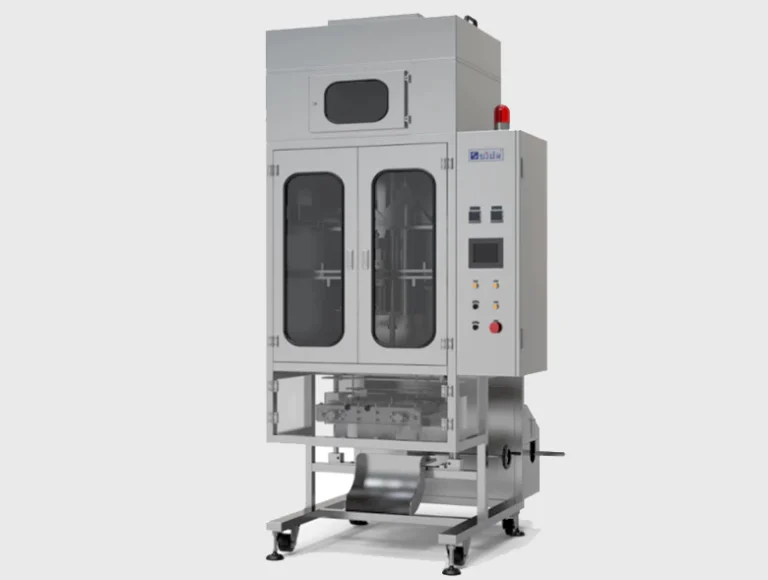
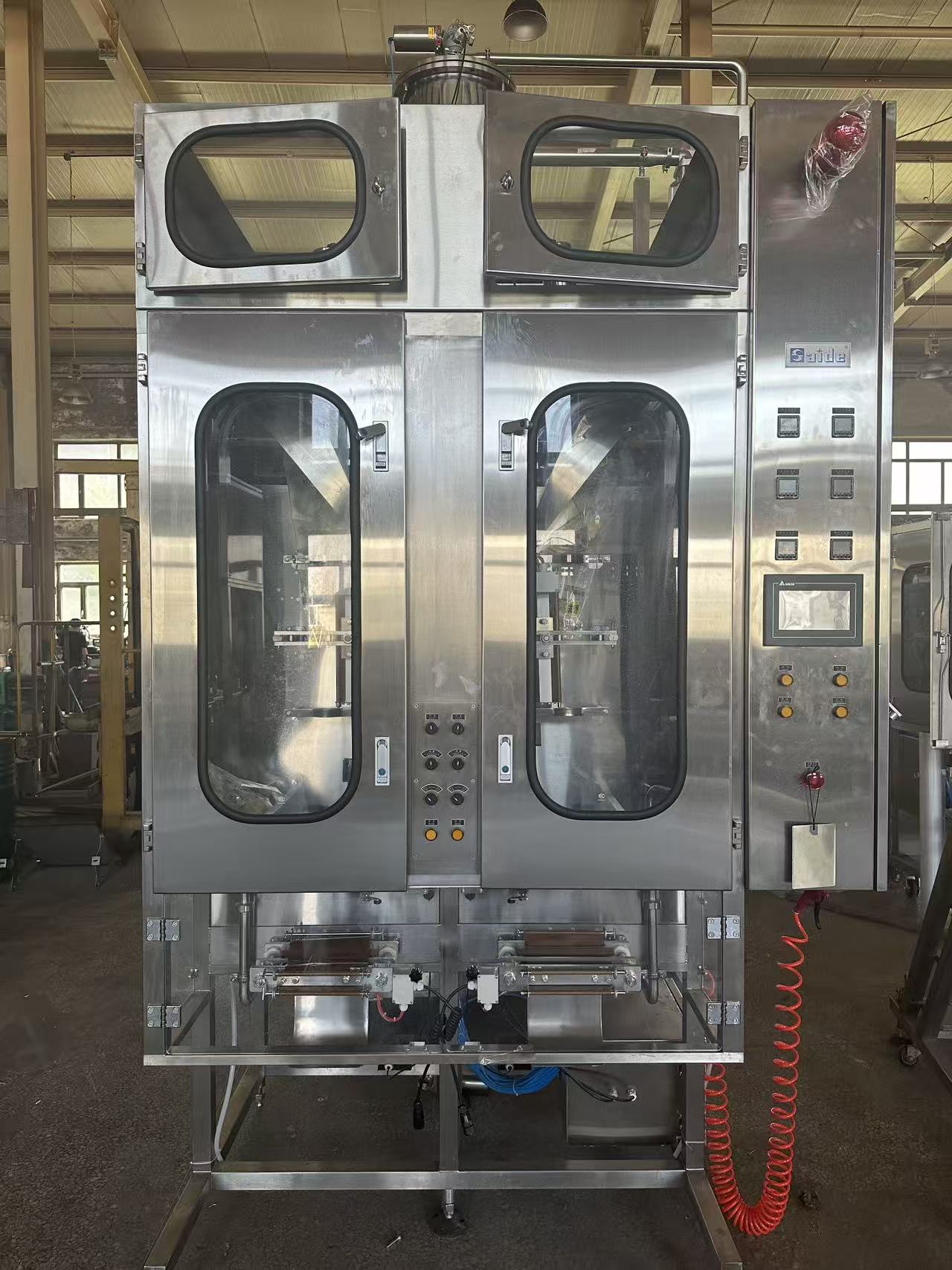
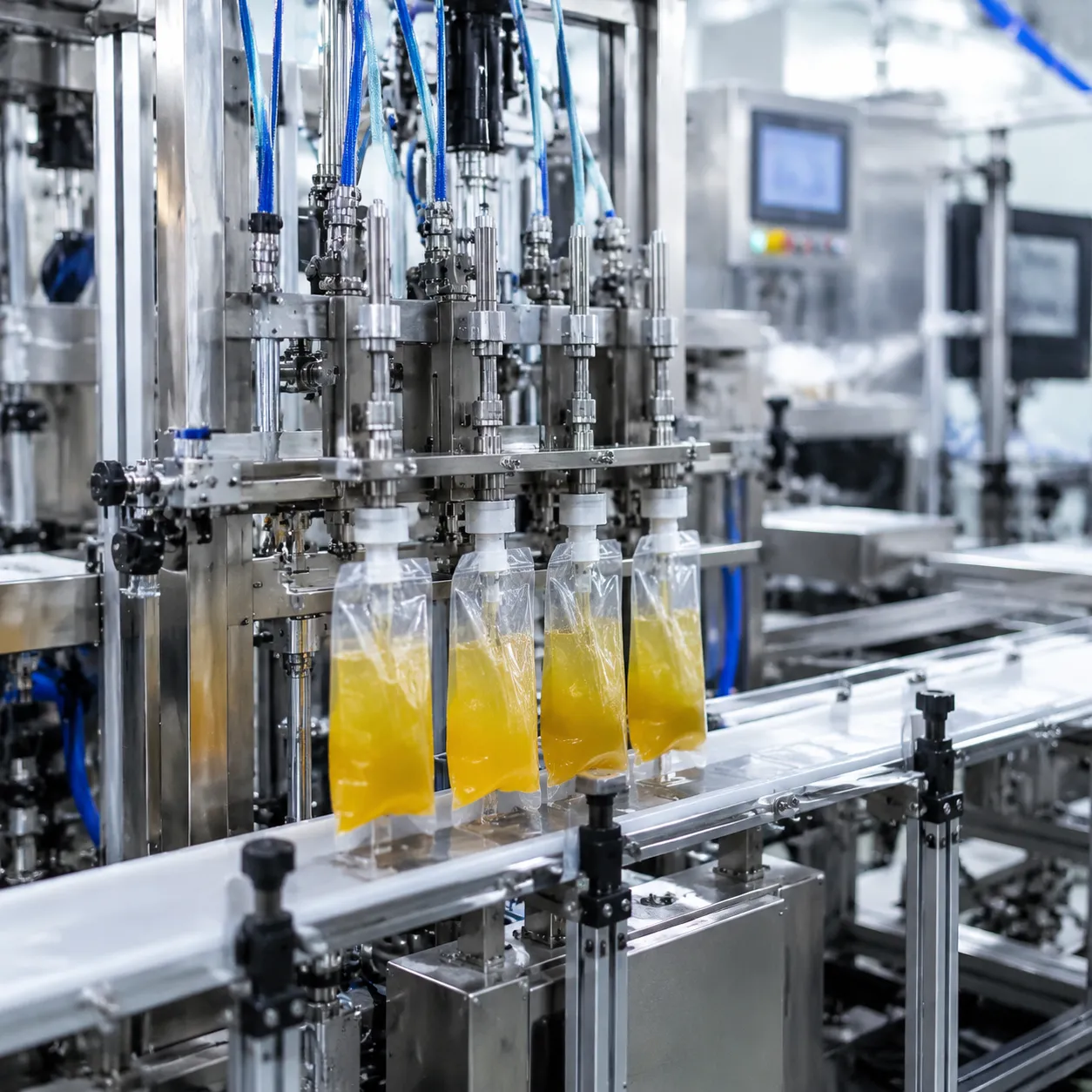
An automatic liquid packaging machine is an advanced, fully automated system designed to measure, fill, and seal various liquid products into secure containers or flexible pouches. Operating with minimal human intervention, these machines streamline the manufacturing process by pulling packaging material from a roll or dispensing premade pouches, accurately measuring the liquid volume, and sealing the package under strict hygienic conditions.
The core mechanism relies on a synchronized, multi-step process:
| Stage | Action | Description |
|---|---|---|
| 1. Feeding | Container/Film Supply | The system automatically positions the bottle or forms the pouch from a film roll. |
| 2. Dosing | Volumetric/Piston Filling | A precise dosing system measures the exact liquid volume required. |
| 3. Sealing | Filling and Sealing | The machine fills the container and applies a secure thermal seal or mechanical cap. |
Key Features and Automation Capabilities
Modern automatic filling systems are engineered to handle high-volume production with extreme consistency. By integrating smart technologies, these machines adapt dynamically to global manufacturing demands.
- PLC Touchscreen Control: Intuitive human-machine interfaces (HMI) allow operators to adjust filling speeds, volume, and temperature settings instantly.
- Smart Sensors: Photoelectric eyes detect container presence, ensuring zero liquid is wasted if a package is missing.
- Versatile Dosing Options: Features like a heavy-duty piston filler accommodate everything from water-thin liquids to dense, high-viscosity gels.
- Stainless Steel Construction: Built with food-grade SUS304/SUS316 stainless steel to comply with global sanitary and safety regulations.
Key Benefits of Automating Liquid Packaging
Switching to an automatic liquid packaging machine transforms your production line from a bottleneck into a high-speed asset. Manual pouring and sealing simply cannot compete with modern automation.
Here is how upgrading to an automatic filling system scales your business operations.
Enhanced Production Efficiency and Speed
Manual filling limits your daily output and drains labor resources. Implementing an automatic filling system drastically cuts down processing time, allowing you to package hundreds of items per minute without fatigue.
| Packaging Method | Average Speed | Consistency |
|---|---|---|
| Manual / Hand Pouring | 5–15 units/min | Variable |
| Semi-Automatic Systems | 15–30 units/min | Moderate |
| Automatic Liquid Packaging | 40–120+ units/min | Perfect |
Whether you are running a high-capacity super capacity liquid packaging machine or a smaller specialized line, automated systems keep your supply chain moving predictably.
Improved Filling Precision and Reduced Waste
Product giveaway and spills cut directly into your profit margins. Our liquid packing machine lines utilize advanced piston filler systems and precision dosing system technology to ensure every single container receives the exact volume required.
- Zero Drips: Advanced nozzles eliminate product tailing and messy spills.
- Exact Volume Control: Minimizes product giveaway down to fractions of a milliliter.
- Cost Savings: Reducing product waste by just 1% can save thousands of dollars annually on raw materials.
Strict Hygiene and Safety Standards
Maintaining a clean environment is critical when handling food, beverages, or chemicals like fertilizers. Our specialized liquid fertilizer packaging machine setups and food-grade systems feature enclosed stainless steel construction to isolate the liquid from external contaminants.
Sanitary Design: Closed-loop filling and sealing processes comply with strict global safety regulations, protecting both your consumers and your brand reputation from contamination risks.
Main Types of Automatic Liquid Packaging Machines
Choosing the right automatic liquid packaging machine depends entirely on your production volume, film preferences, and final bag style. Different systems handle distinct structural setups to maximize throughput and maintain accuracy.
Vertical Form Fill Seal (VFFS) Machines
VFFS systems are the workhorses of flexible packaging. These machines take a flat roll of film, shape it into a tube, seal the bottom, drop the fluid through a high-precision dosing system, and seal the top. They are perfect for high-speed operations looking to produce pillow bags or gusseted pouches economically. For businesses handling specialized materials, using a robust laminated film back seal liquid packaging machine ensures tight, leak-proof seals on every run.
Premade Pouch (Doypack) Filling and Sealing Machines
If your brand relies on premium shelf presentation, premade pouch machines are the ideal choice. Instead of forming bags from scratch, these systems load pre-shaped pouches—like stand-up Doypacks, zipper bags, or spout pouches—into a rotary or linear track. The machine opens the pouch, activates an automatic filling cycle, and applies a clean heat seal. This setup minimizes wrinkles and delivers an upscale look for consumer goods.
Multi-Lane Packaging Systems
When volume requirements skyrocket, single-lane machines can become a bottleneck. Multi-lane packaging systems split the film web into several parallel lanes, allowing you to produce multiple packets simultaneously. This technology is highly utilized for mass-producing small-format items like a liquid stick or a high-speed sachet liquid for condiments, single-serve lotions, and travel-size samples.
Complete Liquid Filling and Capping Lines
For rigid containers like bottles, jars, and jugs, a standalone sealer won’t cut it. A complete line integrates a heavy-duty piston filler or gravity dispenser with an automated capping machine and labeling system. These synchronized configurations manage everything from bulk container feeding to final torque capping, making them the ultimate setup for industrial fluids, beverages, and large-scale consumer goods.
Common Applications and Industries Served
Our automatic liquid packaging machine solutions adapt to a wide variety of production lines. From thin, free-flowing liquids to thick, chunky fluids, these systems ensure precise filling across diverse markets.
Food and Beverage Industry
The food sector demands strict compliance and high throughput. Our systems handle everything from dairy, sauces, and oils to juices and water. With the growing demand for flexible packaging, specialized setups efficiently manage trends like eco-friendly pouches, which you can explore further in our insights on the rise of bagged water.
- Products: Milk, fruit juices, condiments, dressings, and drinking water.
- Formats: Stand-up pouches, sachets, and clear barrier films.
Pharmaceutical and Medical Sectors
Accuracy and zero contamination are non-negotiable in pharmaceutical production. Our equipment utilizes precise dosing systems to ensure exact measurements for patient safety.
- Products: Cough syrups, liquid vitamins, oral suspensions, and saline solutions.
- Safety Features: Sanitize-in-place (SIP) compliance and hermetic sealing.
Cosmetics and Personal Care
Viscous products require specialized handling to prevent dripping and ensure clean seals. Our machinery handles diverse container styles while maintaining high aesthetic appeal for retail shelves.
- Products: Lotions, liquid soaps, shampoos, gels, and serums.
- Capabilities: Precise filling for small-dose sachets and luxury bottle formats.
Chemical and Household Products
Industrial and domestic chemical packaging requires robust, corrosion-resistant components to handle aggressive or foaming formulas safely.
- Products: Laundry detergents, glass cleaners, motor oils, and liquid fertilizers.
- Build Quality: Anti-corrosive contact parts and specialized ventilation integration.
Compatible Liquid Products and Packaging Formats
Our automatic liquid packaging machine lines are engineered to handle a diverse range of product types and container styles. Whether you market thin, water-like liquids or heavy, slow-pouring substances, our systems adapt seamlessly to your specific product characteristics and market demands.
Viscous vs. Free-Flowing Liquid Handling
Different liquids behave uniquely during the automatic filling cycle, requiring specific dosing mechanisms to ensure speed and accuracy.
- Free-Flowing Liquids: Low-viscosity products like water, juice, soy sauce, and thin oils flow easily. We utilize gravity or flow-meter dosing systems to achieve rapid, splash-free cycles.
- Viscous Liquids: Thick, sticky, or particulate-heavy products—such as lotions, gels, honey, and sauces—require physical force to move. For these applications, we integrate high-precision piston filler systems or rotary pumps that cleanly push the product into the container without dripping.
Versatile Pouch and Bottle Formats
Modern consumer preferences demand a wide variety of packaging aesthetics and functional designs. Our equipment suite supports multiple formats to help you stay competitive:
| Packaging Category | Specific Formats Supported | Key Industry Use Case |
|---|---|---|
| Flexible Packaging | Sachet liquid, liquid stick packs, 3-side/4-side seal pouches | Single-serve samples, travel packs, food condiments |
| Stand-Up Formats | Standard premade pouch, doypack with zippers | Bulk retail juices, sauces, and refill packs |
| Rigid Containers | PET bottles, glass jars, jugs | Traditional beverages, cosmetics, and household chemicals |
For brands utilizing specialized flexible containers, our high-efficiency spouted liquid packaging machine automates the entire process of feeding, filling, and sealing stand-up pouches equipped with convenient dispensing spouts. No matter your choice of vessel, our machinery delivers airtight, leak-proof results every time.
How to Choose the Right Liquid Packaging Machine
Investing in the right automatic liquid packaging machine requires a clear understanding of your production environment. Making the wrong choice leads to bottlenecks, while the right system streamlines your entire floor.
Assessing Your Production Capacity Needs
Your target daily output dictates the scale of automation you need. For bulk commercial quantities, a robust 5L liquid packaging machine delivers the heavy-duty throughput required for large-format distribution, whereas single-serve sachets require high-speed, multi-lane machinery.
| Production Scale | Typical Format | Recommended System Type |
|---|---|---|
| Low to Medium | Small Sachets / Pouches | Single-lane VFFS |
| High Volume | Premade Pouches / Doypacks | Rotary Filling Systems |
| Bulk Industrial | Large Jerrycans / Jugs | Heavy-duty Linear Fillers |
Matching Machine Specifications with Product Viscosity
Viscosity determines how a fluid moves through a filling system. Low-viscosity liquids like water or alcohol flow easily under gravity, while thick or chunky products require specialized mechanical force. For example, dense or hot-filled foods require a heavy-duty system like a large capacity soup packaging machine equipped with a piston filler or positive displacement pump to guarantee uniform dosing without dripping.
- Free-Flowing Liquids: Use gravity or timed-flow pump mechanisms.
- Viscous Liquids: Require piston fillers or rotary gear pumps to force the product through the nozzles.
- Particulate-Laden Liquids: Demand specialized valves that prevent clogging and maintain exact filling weights.
Integration with Existing Production Equipment
A standalone machine is rarely efficient. Your new packaging unit must communicate perfectly with your upstream and downstream hardware.
- Upstream Matching: Ensure your holding tanks and mixing vats supply the product at a rate that matches the filler’s consumption speed.
- Downstream Synchronization: The output speed must seamlessly align with your capping, labeling, and boxing systems to eliminate line stoppages.
- Control Systems: Look for standardized PLC touchscreens that integrate into your facility’s central monitoring network for simple, unified operation.
Frequently Asked Questions
What maintenance is required for liquid packaging machines?
Keeping an automatic liquid packaging machine running at peak performance requires a consistent maintenance routine. Because these systems handle diverse fluids, preventing buildup is critical for both hygiene and mechanical longevity.
- Daily Cleaning: Flush the entire dosing system and piston filler after every shift, especially when handling high-viscosity or perishable liquids.
- Sanitization: Use Clean-in-Place (CIP) systems to sanitize all contact parts, ensuring your filling and sealing processes remain completely hygienic.
- Component Inspection: Check sealing jaws, heating elements, and cutting blades daily for wear.
- Lubrication: Regularly lubricate moving parts according to the manufacturer’s schedule to prevent friction and mechanical downtime.
Can one machine handle multiple liquid types and sizes?
Yes, high-quality systems offer excellent flexibility, but there are limitations based on the machine’s design.
- Liquid Types: A single liquid packing machine can easily switch between different low viscosity and high viscosity fluids, provided it uses compatible pumps or interchangeable dosing systems.
- Packaging Sizes: Modern systems support quick-changeover parts to adjust pouch volumes or bottle dimensions. For example, our advanced laminated film liquid packaging machine allows operators to adjust bag lengths and filling volumes with minimal downtime.
- Format Constraints: While a standard machine can adapt from a small sachet liquid format to a larger pouch, switching between entirely different styles—like moving from a liquid stick to a premade pouch—usually requires a dedicated machine type.
Related Sources
- https://www.iven-pharma.com/news/what-to-consider-when-choosing-a-liquid-vial-filling-machine/
- https://yundufillingmachine.com/vertical-packaging-machine-benefits-tips/
- https://www.prosource.org/article/22198092/nine-tips-for-buying-a-liquid-filling-machine
- https://blog.apexfilling.com/understanding-liquid-viscosity-and-its-impact-on-filling-machines
- https://www.landpack.com/knowledge-center/vffs-machine-ultimate-buying-guide.html