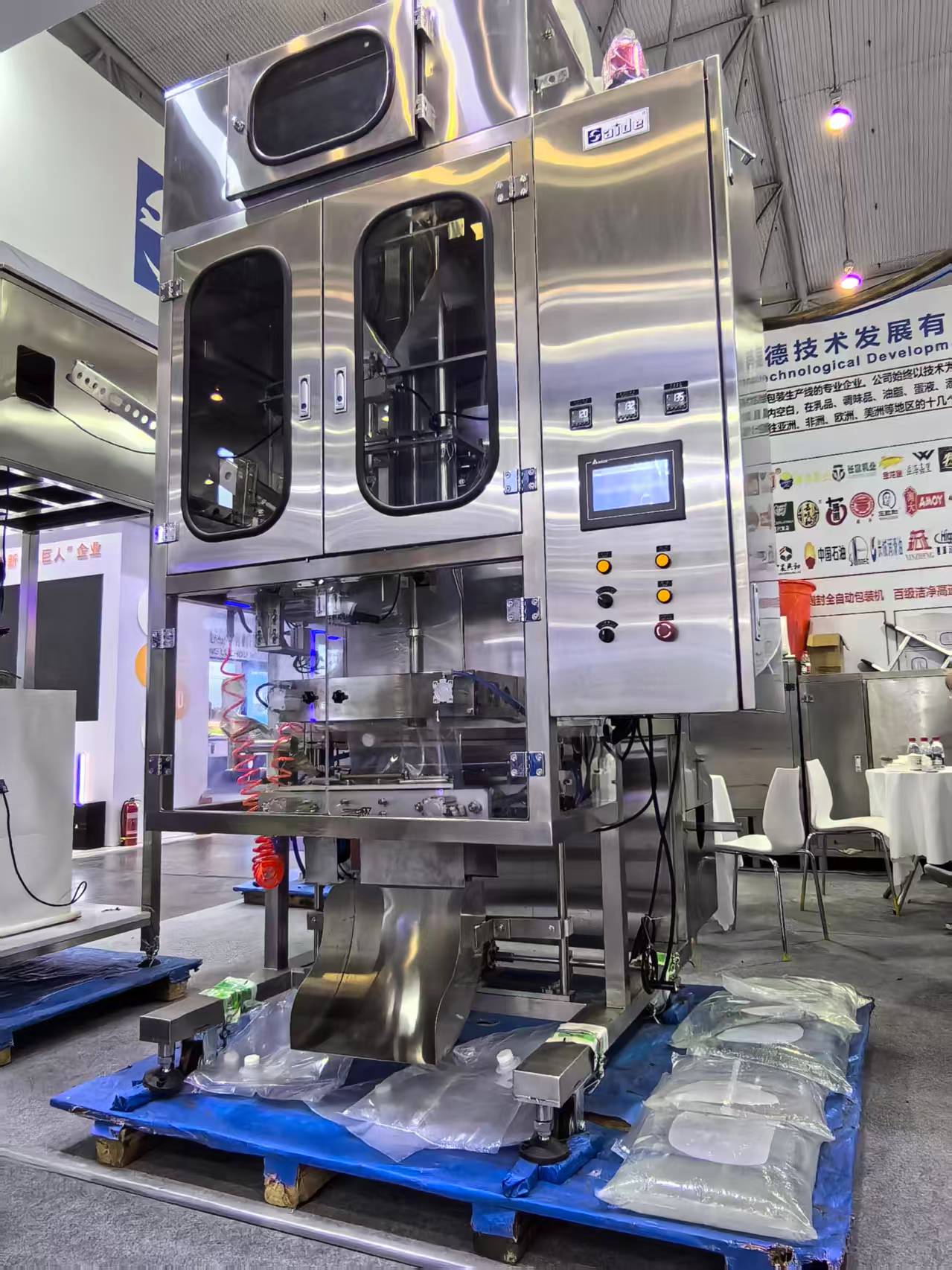
What is a Liquid Packaging Machine?
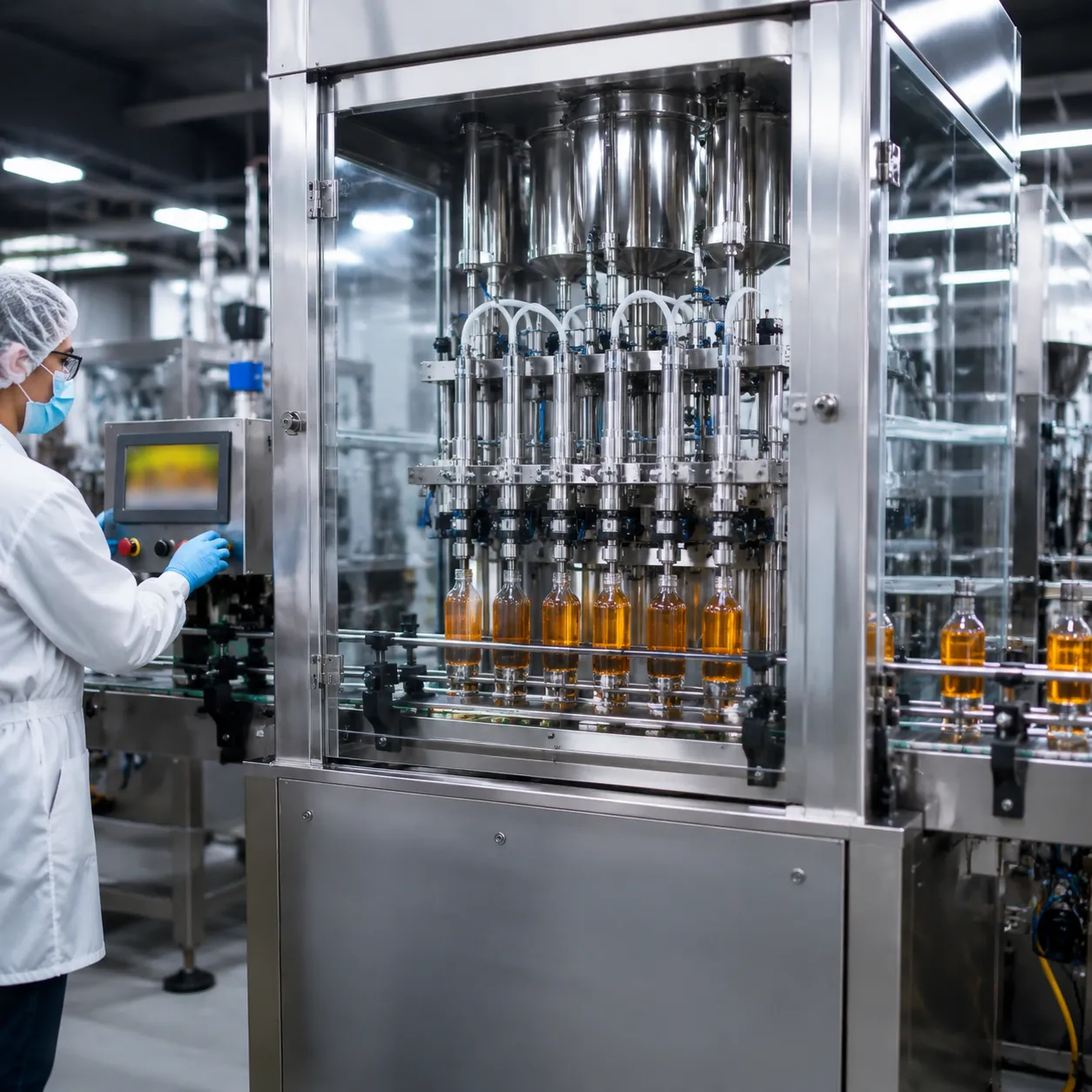
Discover liquid packaging machine types working principles benefits and features for food beverage pharma and cosmetic production
Definition and Working Principle
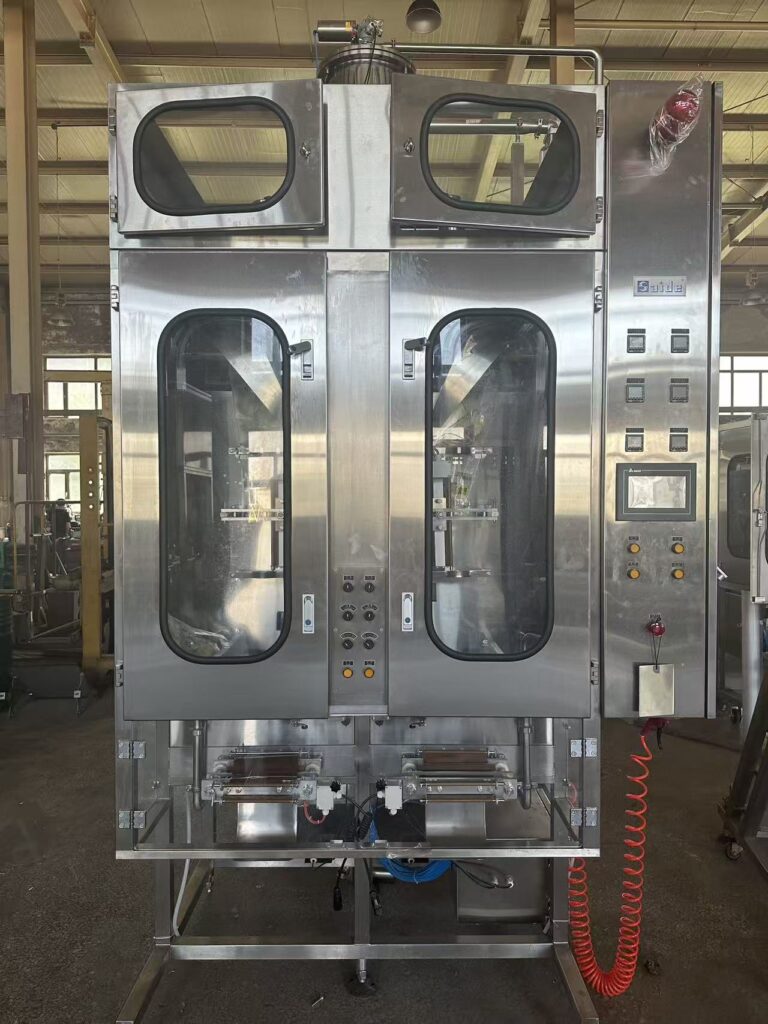
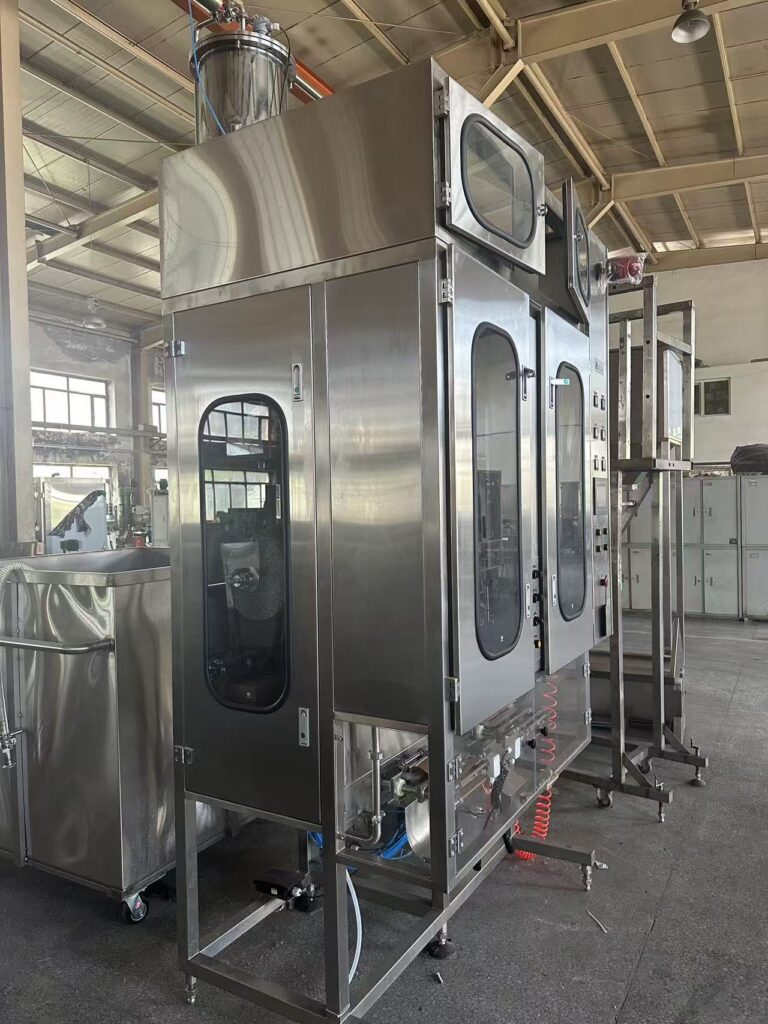
A liquid packaging machine is an automated industrial system designed to dispense, fill, and seal various fluid products into containers. From low-viscosity liquids like water and beverages to highly viscous substances, these machines streamline production by converting raw materials and packaging substrates into finished, shelf-ready goods.
The core working principle relies on a coordinated, multi-stage automated process: Container Feeding: Bottles, cans, or flexible pouches are indexed into the filling zone via a conveyor system. Product Dosing: An automatic liquid filling mechanism measures a precise volume of the product using specialized pumps or valves. Sealing & Capping: The machine hermetically seals the container using heat, mechanical caps, or ultrasonic welding to prevent leakage and contamination.
Key Components of Liquid Packaging Systems
Modern liquid packaging systems integrate several mechanical and electronic components to ensure continuous, high-speed operation.
| Component | Function |
|---|---|
| Control System (PLC) | Monitors the entire operation, managing cycle times and synchronization via a touchscreen interface. |
| Filling Nozzles | Specially designed nozzles that eliminate dripping and ensure clean cut-offs during the dosing phase. |
| Metering Pump | Delivers exact product volumes; options include a centrifugal liquid pump for high-flow liquids or piston pumps for thicker fluids. |
| Solenoid Valve | Controls the precise flow of liquids and pneumatic air throughout the filling cycle. |
| Conveyor Network | Transports containers smoothly between the feeding, filling, capping, and labeling stations. |
Main Benefits of Automated Liquid Packaging
Investing in an automatic liquid packaging machine is a major turning point for any production line. Transitioning from manual or semi-automatic filling to a fully automated system directly improves operational throughput, consistency, and product quality.
Enhanced Production Speed and Efficiency
Automated systems dramatically accelerate output by running continuous cycles without the fatigue or delays associated with manual labor. These machines integrate seamlessly into existing lines, managing everything from container feeding to sealing in one fluid motion.
For high-volume operations, upgrading to an extra high capacity liquid packaging machine ensures that your business can comfortably fulfill large commercial orders and scale up production during peak seasons without bottlenecks.
High Filling Accuracy and Reduced Waste
Manual filling inevitably leads to product giveaway or underfilled containers, both of which hurt the bottom line. Modern automatic liquid systems utilize high-precision dosing mechanisms—such as piston pumps or flow meters—to deliver exact volumes every single time.
| Feature | Manual/Semi-Automatic Filling | Automated Liquid Packaging |
|---|---|---|
| Accuracy Variance | High (± 2-5% variance) | Extremely Low (± 0.5% or better) |
| Product Waste | Frequent spills and overfills | Negligible dripping and clean cut-offs |
| Consistency | Dependent on operator skill | Uniform fill levels across all batches |
This level of precision is particularly critical when packaging high-value commodities like edible oils, beverages, or dense pastes like peanut butter. Precise filling protects profit margins and ensures strict compliance with net-weight labeling regulations.
Improved Hygiene and Safety Standards
Maintaining a contamination-free environment is non-negotiable for industries handling food, alcoholic drinks, or pharmaceuticals. Automated packaging minimizes human contact with the product, drastically reducing the risk of microbial contamination.
- Closed-Loop Systems: Liquids move through sealed pathways directly from the mixing tank to the container.
- Sanitary Materials: Built primarily with food-grade stainless steel to resist corrosion and bacterial buildup.
- Advanced Sealing: Airtight seals applied instantly after filling preserve product freshness and extend shelf life.
Types of Liquid Packaging Machines
Choosing the right liquid packaging machine depends entirely on your production scale, container choice, and product viscosity. Different systems serve different market demands, from small-batch operations to high-speed industrial lines.
Automatic vs. Semi-Automatic Systems
For businesses aiming to scale, an automatic liquid packaging machine is the ultimate choice. These systems handle everything from feeding and filling to sealing and coding with minimal human intervention. They integrate seamlessly into large-scale production lines, ensuring consistent output and rapid turnaround times.
Semi-automatic systems, on the other hand, require manual placement of containers. While they offer a lower initial investment for startups, they cannot match the continuous hourly output and low labor costs of fully automated lines.
Pouch and Sachet Packing Machines
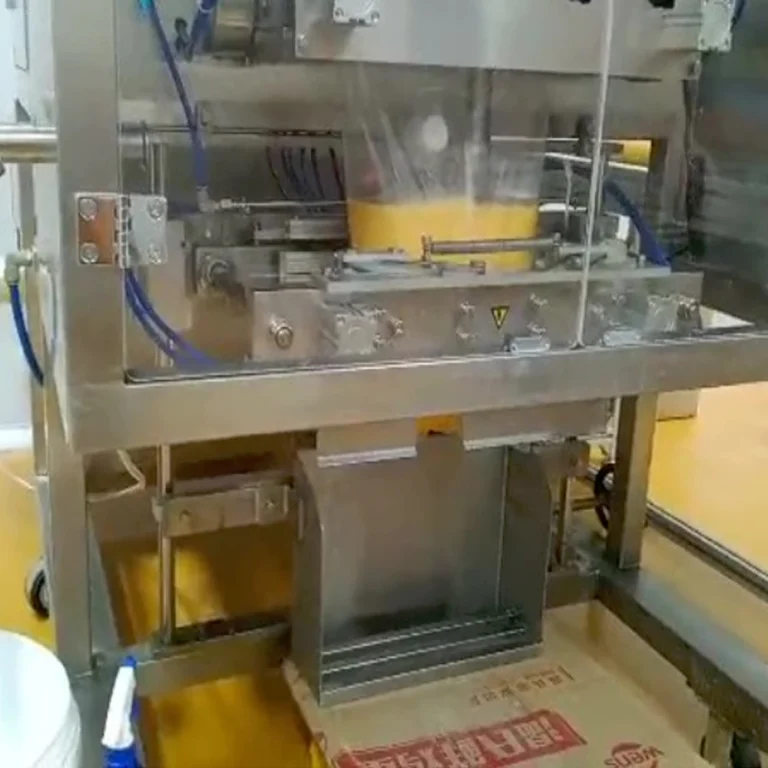
Pouch and sachet packaging has exploded in popularity across global markets due to its cost-efficiency and convenience. These machines form, fill, and seal flexible packaging right on the line. They are highly efficient for single-serve beverages, condiments, or travel-sized toiletries.
If your layout requires flexible, space-saving bags, our high-speed automatic liquid pouch machine provides the perfect solution, delivering airtight seals and precise dosing for low-viscosity fluids. For smaller, precise dosing needs, a specialized automatic liquid packaging machine optimizes material use while maintaining strict hygiene standards.
Bottle and Can Filling Machines
When your product calls for rigid containers, bottle and can filling machines take center stage. These systems use specialized solenoid valve arrays and timing controls to handle everything from thin, free-flowing alcoholic drinks to thick, dense liquids.
- Rotary Fillers: Best for ultra-high-speed beverage bottling.
- Inline Fillers: Ideal for quick changeovers between different bottle sizes and shapes.
- Can Fillers: Designed with precision seaming technology to preserve product freshness and carbonation.
Key Features to Consider When Choosing a Machine
Selecting the right liquid packaging machine requires a close look at your specific production demands and product characteristics. Focus on these critical technical features to ensure a high return on investment.
Filling Speed and Hourly Output
Your target production volume dictates the automation level and scale of the system you need. Matching machine capacity with your hourly targets prevents bottlenecks and ensures smooth downstream labeling and cartoning.
| Automation Level | Typical Output (BPH / PPH) | Best For |
|---|---|---|
| Semi-Automatic | 200 – 1,000 | Small batches, start-ups, frequent changeovers |
| Linear Automatic | 1,000 – 5,000 | Medium production runs, diverse product lines |
| Rotary Automatic | 5,000 – 30,000+ | High-speed, mass production of standard beverages |
Metering Pumps and Dosing Systems
The dosing mechanism must match the viscosity and behavior of your liquid. While thin beverages flow easily, thick products like peanut butter require specialized handling to maintain strict weight and volume tolerances.
- Piston Fillers: Ideal for high-viscosity liquids and products with particles.
- Flow Meters (Magnetic/Mass): Offer extreme precision for conductive liquids and premium alcoholic drinks.
- Gravity/Vacuum Fillers: Best suited for thin, free-flowing liquids filled into rigid containers.
- Solenoid Valve Systems: Provide fast, electronic control for precise dosing of low-viscosity fluids.
Hot Filling Capabilities for Juices and Dairy
Products like fresh juices, teas, and dairy require thermal processing to ensure shelf stability without preservatives. If your process demands high-temperature filling, the liquid packaging machine must feature heat-resistant contact parts, specialized seals, and a recirculation system to keep the product at the correct sterilization temperature during short stops.
CIP Cleaning and Maintenance for Viscous Fluids
Hygiene is non-negotiable, especially when handling food, dairy, or sticky liquids. Look for systems equipped with Clean-in-Place (CIP) functionality.
- Automated CIP Cycles: Flush the entire fluid path with sanitizing agents without dismantling the valves or the centrifugal liquid pump.
- Sanitary Design: Stainless steel 316L construction and tri-clamp fittings prevent bacterial growth in dead zones.
- Easy Maintenance: Toolless disassembly features save hours of downtime during daily cleanings. For specialized applications like flexible pouches with built-in closures, utilizing an advanced sauce spout pouch filling machine ensures both clean dosing and reliable, sanitary sealing.
Common Applications and Industries
Every sector has unique challenges when handling fluids, from strict sanitary rules to handling sticky textures. Our advanced liquid packaging machine setups are engineered to adapt to these diverse production needs seamlessly.
Food and Beverage Industry
The food and beverage sector demands speed, precision, and absolute hygiene. Our automated liquid filling machines easily handle a massive variety of products, ensuring fresh delivery to consumers worldwide:
- Beverages & Alcoholic Drinks: Fast, foam-free filling for juices, water, teas, and spirits.
- Edible Oils: Precision dosing that prevents dripping and handles varying oil viscosities.
- Thick Condiments: Robust pumping systems designed to package dense items like peanut butter, sauces, and syrups without clogging.
To see how these systems integrate into modern production facilities, explore our diverse range of advanced liquid packaging products.
Pharmaceutical and Medical Sector
Accuracy and zero-contamination are non-negotiable in medical packaging. We build specialized liquid packaging machine configurations that meet the highest global cleanroom standards.
- Precise Dosing: Delivers exact milligrams for cough syrups, oral liquids, and saline solutions.
- Sterile Environments: Features anti-dripping nozzles and sanitary solenoid valve controls to eliminate contamination risks.
- Complete Traceability: Easily integrates with batch coding and tracking systems for strict regulatory compliance.
Cosmetics and Chemical Products
From thick creams to aggressive chemicals, packaging non-food liquids requires tough, versatile machinery that can handle daily wear and tear.
| Product Type | Packaging Challenge | Our Solution |
|---|---|---|
| Cosmetics (Lotions, Shampoos) | High viscosity, prone to foaming | Bottom-up filling nozzles and custom centrifugal liquid pump systems |
| Household Chemicals (Detergents) | Corrosive properties, high volume | Chemical-resistant contact parts and drip-proof designs |
| Industrial Fluids (Lubricants, Oils) | Heavy, precise bulk filling | Heavy-duty automatic liquid filling lines with integrated weighing scales |
No matter your market sector, our machinery ensures your liquids are packaged safely, quickly, and efficiently.
How to Select the Right Liquid Packaging Manufacturer
Choosing the right manufacturing partner directly impacts your production efficiency and long-term ROI. The right supplier does not just sell equipment; they deliver a reliable, scalable system tailored to your exact operational workflow.
Customization and Scaling Options
A standard machine rarely fits a growing production line perfectly. Your business needs a partner capable of tailoring configurations to specific liquid viscosities, container shapes, and output requirements. Whether you handle daily beverages or specialized agricultural chemicals, look for modular engineering. For instance, our robust liquid fertilizer packaging machine demonstrates how a system can be customized to manage highly specific chemical properties while maximizing throughput.
Factory Inspection and Quality Standards
Before signing any contract, verify the manufacturer’s quality management systems and factory compliance. A reputable supplier welcomes audits and holds recognized international certifications. For industries with strict sanitary rules, look for specialized cleanroom manufacturing capabilities. Our premium class-100 large capacity liquid packaging machine is engineered under these rigorous conditions to meet the highest hygienic and safety benchmarks.
Use this checklist to evaluate manufacturer quality:
| Evaluation Criteria | Target Standard | Why It Matters |
|---|---|---|
| Certifications | CE, ISO9001, GMP compliance | Ensures global safety and operational standards. |
| Material Build | SUS304 / SUS316L Stainless Steel | Prevents corrosion and ensures easy sanitation. |
| Component Brands | Internationally recognized electronics/pneumatics | Guarantees long-term reliability and easy parts replacement. |
After-Sales Support and Technical Service
Machinery downtime cuts straight into your profits. Technical support must be fast, accessible, and knowledgeable. When evaluating a liquid packaging machine vendor, look closely at their service terms:
- Installation Support: On-site setup and calibration by trained field engineers.
- Operator Training: Comprehensive training for your team to ensure smooth daily operations and basic troubleshooting.
- Spare Parts Availability: A fully stocked inventory of wear-and-tear parts ready for rapid dispatch.
- Remote Diagnostics: Quick online technical troubleshooting to minimize unexpected line stops.